A Bird in the Hand is Worth Two in the Bush: It looks like celebrity chef Jamie Oliver and UK supermarket chain Sainsbury's are both coming out winners in their recent spat, which found chef Oliver, who's also Sainsbury's TV commercial pitchman, slamming the grocery chain and other British supermarkets on his TV documentary, "Jamie's Fowl Dinners," for not sending representatives to debate him on the issue of factory poultry farming following the airing of the program.
[Read our three previous pieces on the issue here (January 7), here (January 11) and here (January 12, 2008).]
British grocery retailer Sainsbury's said today's its stores are reporting a huge surge in sales of battery-free-farmed, free-range and organic chickens following chef Jamie Oliver's TV documentary on factory, or battery, poultry farming which aired in the UK recently.
The program, called "Jamie's Fowl Dinners", investigated and discussed the conditions in which battery-farmed chickens are raised and kept in the UK. (As mentioned above, Oliver wanted a representative from Sainsbury's, along with executives from the other major British grocery chains--Tesco, Morrisons and Asda--to appear on a debate with him after the documentary aired. None of the "big four" supermarket chains sent representatives. However, Sainsbury's did provide a company executive who was interviewed by Oliver for the documentary.
Today, a Sainsbury's spokesperson says sales of free-range, organic and chickens adhering to the RSPCA's Freedom Food program have soared by 50% since Oliver's program aired. (You can learn more about the RSPCA Freedom Food program for poultry here, and here.)
Perhaps ironically, the Sainsbury's spokesperson also said sales of battery, or what is also referred to in the UK as intensively-raised chicken, increased over the same time period as well.
For example, Sainsbury's Basics chicken line, a value-line of intensively-raised birds, increased by a modest 1 to 2%, according to the spokesperson. What's significant--and rather interesting in light of the 50% sales increase of the free-range, organic and RSPCA-approved chickens--is that the Basics line didn't have a drop in sales, especially following the airing of chef Oliver's documentary, which is being attributed to the sales increase of the non-battery birds.
Sainsbury's isn't the only British grocery chain to report a substantial rise in sales of free-range, organic and RSPCA-approved birds. Upscale supermarket operator Waitrose, which doesn't sell battery-farmed chickens at all in its stores, reports a 31% rise in sales of organic chickens for last week. Further, the grocer said sales of free-range birds increased by 24% during the same time period.
About 95% of chickens and 63% of egg-laying hens are raised using the battery, or factory or intensive-farming, method in the UK. The issue regarding this method has been a hot one--and is growing hotter on the heels of Oliver's program and a similar one by chef Hugh Fearnly-Whittingstall which also recently aired in the UK..
The RSPCA animal welfare group also has been popularizing the anti-intensively-farmed poultry issue with its model set of guidelines for raising fryer-chickens and egg-laying hens. Both Waitrose and British chain Marks & Spencer have adopted the group's guidelines and no longer sell intensively-farmed chickens in their food stores.
Sainsbury's CEO Justin King announced a couple days after the chef Oliver flap that the grocery chain would stop selling the battery-farmed birds as well. Sainsbury's hasn't given a specific date regarding when that will happen. Tesco and Asda also have said they are willing to stop selling the factory-farmed birds as well. However, they haven't definitively said they will do so, nor given a time-line for phasing out the sales of the battery birds, or to stop selling eggs that come from hens farmed using that method.
Chicken is Britain's most popular meat, with 855 million pounds of the feathered bird being produced in the UK every year, according to government agricultural statistics. Those figures also show that the Brits consume 12 times as much chicken as they did just 30 years ago.
Meanwhile, chef Oliver, who is paid $1.3 million annually to be Sainsbury's TV commercial pitchman, seems to be coming out a winner thus far over the whole fowl flap. After an intense phone conversation with Sainsbury's CEO King last week, during which Oliver apologized--and then did so again in a letter--he still remains under contract with the grocery chain.
Sainsbury's seems to be coming out a winner as well. Following the airing of Oliver's program, the grocer went on a PR offensive. It ran full-page advertisements in Britain's major daily newspapers touting its positive animal rights positions. Sainsbury's also sent letters to all of its loyalty card members touting the same message. And of course, King announced the chain's decision to stop selling intensively-farmed chickens last week on a popular London radio show.
Now, this week, as the dust settles, Sainsbury's finds itself selling 50% more free-range, organic and RSCPA-approved birds than it was selling before Oliver's documentary. It also says sales of battery-farmed chickens haven't dropped, and actually have increased slightly.
It appears no harm has been done to Sainsbury's business over the fowl flap with Oliver. In fact, the opposite seems to have happened from a sales standpoint.
It also appears Oliver has had his desired effect. In fact, he's had double the desired effect: not only has he dramatically increased awareness of the factory poultry farming issue, he seems to have gotten his employer, Sainsbury's, to join Waitrose and Marks & Spencer as grocer's who won't sell the intensively-farmed birds any longer as well. It will be hard for Sainsbury's not to do so, since King announced the grocery chain would on a popular network radio show that has a couple million listeners.
Oliver still remains the TV pitchman for Sainsbury's. He hasn't resigned, nor has the grocer made any move to fire him. In fact, doing so would likely result in lots bad press for Sainsbury's at this point in time.
So, if we were keeping score, which we aren't of course, at this point in time we would have to call it a 10 for chef Oliver and a 10 for Sainsbury's. (That's a 10 on a 1-to-10 point scale by the way.)
Further, it seems the big winner in this fowl flap is the anti-intensive chicken farming movement itself, led by the RSPCA organization. They've received much publicity, obtained a commitment from Sainsbury's to stop selling the battery birds, and likely will soon see Tesco, Asda, Morrisons and other British grocers follow the three chains in a policy of no longer selling the intensively-farmed birds in their stores.
Already, with just Marks & Spencer and Waitrose no longer selling the chickens, there's been an increased demand for RSPCA-approved birds in Britain. That demand will grow once Sainsbury's joins the other two grocery chains. Should Tesco, Britain's number one supermarket retailer with about 32% of the nation's total food dollar market share, stop selling battery-raised chickens anytime soon, it would likely be enough to put an end to raising birds in that manner in the UK.
We believe this story is far from over. Stay tuned.
Showing posts sorted by relevance for query Sainsbury's. Sort by date Show all posts
Showing posts sorted by relevance for query Sainsbury's. Sort by date Show all posts
Tuesday, January 22, 2008


Wednesday, March 18, 2009
Retail Memo - UK: Sainsbury's CEO and Tesco Marketing Chief Offer Differing Analysis of Food Retailing and Shopper Behavior at Retail Week Conference

News & Analysis
The British trade publication Retail Week is holding its annual retailing conference this week in the United Kingdom.
Today, executives from two of the UK's top supermarket chains, number one Tesco and number three Sainsbury's, addressed the UK retaling conference focusing on what each chain views as the state of food and grocery retailing and food shopper behavior in the nation at present in these recessionary times.
Representing Sainsbury's and speaking at the conference was its CEO, Justin King. And representing Tesco was Carolyn Bradley, the supermarket chain's director of marketing for the UK.
Interestingly, Sainsbury's CEO King and Tesco's Ms. Bradley painted an almost complete opposite picture of how their respective chain's are currently viewing consumers and food retailing in the UK, which like the U.S. and most elsewhere in the world is in the midst of a severe recession.
For example, Tesco UK marketing chief Bradley said the nation's leading supermarket chain believes consumers are trading down. Therefore Tesco has and continues to adjust its merchandising, marketing and promotions in a more discount price, value-based direction, she said in her speech.
According to a story in Retail Week today, she said UK consumers' trading down behavior is "manifesting itself through them changing lots of little things: consumers doing without a latte, finding cheaper ways to treat themselves and trading off larger purchases such as sofa or a holiday."
But in contrast, in his speech, Sainsbury's CEO Justin King said he doesn't see a significant consumer trade-down in the UK. Rather, he argued in his speech that the middle, where Sainsbury's is positioned in the market, continues to hold.
Below (in italics) is a summary of what CEO King said in his talk, from a report in Retail Week today:
"King said assertions that consumers are downtrading, that people revert to selfish behaviour and that the middle ground erodes in a recession is not what the supermarket is experiencing.
Sainsbury's is seeing that its customers are largely sticking with the company, but changing what they buy, cooking more and transferring spend from eating out to buying things like family ready-meals, King said.
Despite the warnings of many, Sainsbury's is not feeling the middle ground being squeezed, he added.
He said: "Being in the centre is a good place and you are uniquely positioned to work with customers as they make changes."
He added that the £10 million Sainsbury's has banked for Comic Relief so far this year proved that consumers were not becoming less altruistic.
King said that while his customers genuinely fear for their jobs, those that still have jobs also have household budgets that are under less pressure than they have been for a very long time.
Sainsbury's has conducted research into how different sectors within retail have been affected by previous downturns, and food has traditionally been the most resilient.
He also demonstrated the consistent messaging - "having the "same DNA", as he described it - in Sainsbury's adverts over the years, and over previous downturns.
He said that Sainsbury's focus on cooking and ingredients in its adverts is as relevant today as ever, with more people rediscovering cooking as a way to mitigate the food inflation that has been experienced.
King is keen to provide leadership to his staff and customers with a "glass half-full attitude".
He said that even if 1 million consumers lose their jobs this year, as economists predict, that will still leave 97 per cent of the workforce in employment, and Sainsbury's must continue to serve them.
At the same time, he believes that everything Sainsbury's is doing, with its focus on value, switching to own-label and more home cooking, will be even more relevant to those who are unfortunate enough to lose their jobs this year."

Now, read below (in italics) the Retail Week summary of Tesco's Ms. Bradley from her speech at the conference:
"Bradley said Tesco has been tracking consumers changing confidence, and where as price and fuel inflation were the main concerns last year, this has given way to job security as the biggest issue.
Unlike Sainsbury's chief executive Justin King, who spoke at the conference earlier in the day, Bradley said that she believed consumers are trading down.
She said that this is manifesting itself through them changing lots of little things: consumers doing without a latte, finding cheaper ways to treat themselves and trading off larger purchases such as sofa or a holiday.
Unlike King, Bradley also sees that consumers' concern for ethical matters giving way to price. She says that mums' main concerns right now are providing for their family, and not letting them suffer even when budgets have to be cut.
She defended Tesco's decision to launch its Discounter range, and said that it was done after Tesco had identified a substantial gap in the market between generic branded value products, and big brand merchandise.
She used the example of one customer who had been able to cut her weekly shopping bill in half by moving to the Discounter products.
She said price is where retailers need to start, and so Tesco has focused on reducing the cost of reducing everyday items, and giving customers more price choice for each item they buy.
Finally, she said that it was important to allow customers to retain a sense of fun and treats. Tesco has seen an increased take up of its Clubcard Deals, where customers can exchange Clubcard points for vouchers for days out and other leisure activities.
She said: "It is a way that they can still afford to go out to [places like] Café Rouge. These little luxuries offer huge value to customers."
She also pointed to deals on Finest meals, and entertainment promotions, as other ways the supermarket is allowing its customers to treat themselves."
Reading the summaries of the speeches given at the conference by the Sainsbury's CEO and Tesco's UK marketing chief, one could easily come to the conclusion they aren't talking about the same country or market, if we hadn't told you in advance that they are.
What makes the stark differences in Tesco and Sainsbury's analysis of the UK food and grocery retail marketplace all the more interesting is that historically both supermarket chains have a very similar customer base -- the middle. Neither are discounters like Wal-Mart-owned Asda. Nor are Tesco and Sainsbury's upscale supermarket chains like Waitrose or Marks & Spencer. They are historically mid-range operators.
For example, both competing supermarket chains offer an extensive selection of natural, organic, specialty and premium foods on store shelves alongside conventional manufacturers' and store brands. These natural, organic, specialty and premium products include the retailers' own brands, as well as premium prepared food items, organic produce and meats.
However, because of the recession, Tesco has made a strategic decision to go more discount; to put a much more aggressive focus on price than it has ever done. This decision is largely because the UK's leading supermarket chain (it has a nearly 31% sales market share) has been losing market share points (about 2.5 points in the last 18 months) to Asda and to the small-format, hard-discount German chains Aldi-UK and Lidl.
Sainsbury's on the other hand has resisted getting into the discount game full-force, although it to has been sharpening its pricing, promotions and value offerings, as CEO King said in his speech. But unlike Tesco, it hasn't strategically made a strong price- discount move.
This got us to thinking: Could it be that the main reason the viewpoints of the two executives representing Britain's leading supermarket chains are so differing is because each of the respective chain's has staked out a very different recession strategy and therefore used their speeches at the conference more to defend what each supermarket chain is doing strategically instead of actually attempting to diagnose what British grocery shoppers are really doing in terms of their behavior in these tough economic times?
We aren't making a value judgement on what either of the executives said in their speeches. Rather we're attempting to account for the major differences in how each of them says their supermarket chains view the current state of the British grocery shopper and UK food retailing.
Were Tesco and Sainsbury's radically different formats and food retailers, such an attempt at understanding these differences would be a moot point. But they aren't -- in fact the two chains have far more merchandising, positioning and and operational similarities than they do differences.
Lastly, the explanation could be simple. It's always difficult to attempt to describe consumer behavior in any global way. Perhaps what's happened is Sainsbury's has retained more mid-range shoppers than Tesco has. Therefore, Sainsbury's has yet to see a loss in sales of the same volume as Tesco has because of this possible scenario. So, based on this observation, CEO Justin King's "the center continues to hold" position makes more sense.
And if this scenario is true, that in the case of Tesco it has lost more customers to the discounters like Asda and Aldi, as the market share data tends to suggest, and it needs to win back these shoppers, then it makes sense the retailer tends to see the trading down consumer behavior much more so than Sainsbury's does.
From a macro perspective though, all data in the UK suggests shoppers are trading down when it comes to food and grocery shopping. The Tesco scenario. This is why Aldi and Lidl are the biggest percentage gainers in market share. There's also an abundance of other evidence that the trading down behavior has been going on in the UK for at least a year -- and increasing as the economy worsens.
If Sainsbury's isn't seeing it, that's good news for the chain and its shareholders. But if instead of not seeing it, Sainsbury's is missing it, then that will be bad news for the chain and its shareholders.
But fortunately we have a scorecard to track it. Sainsbury's will soon release its financial results. And new UK market share numbers will also be released soon.
By the same token, is what Tesco seeing, and doing about it, a clear picture of UK shopper behavior? Since Tesco is set to release it financials soon as well, along with the upcoming market share numbers coming out as mentioned above, we will be able to make some analysis of Tesco's approach, as voiced by UK marketing chief Bradley in her talk at the Retail Week conference, soon.
Saturday, January 12, 2008
Ethical Foods Memo: Jamie Oliver vs. Sainsbury's: Grocer Says it Will Stop Selling Factory Farmed Chickens
Friend or Fowl? Yesterday, British celebrity chef Jamie Oliver was eating his humble pie after a terse phone conversation with Sainsbury's CEO Jason King. Oliver, who is the grocer's TV spokesman, apologized to King for 'biting the hand that feeds him' over a factory poultry farming debate flap. Oliver said he was sorry a second time, sending a letter to King after their phone conversation. Today, however, chef Oliver is feeling his oats--and not a humble pie can be found in the Oliver kitchen. Why? Yesterday, CEO King announced the grocer would stop selling factory farmed chickens in its stores. What's next?

Yesterday's version of this ongoing and increasingly dramatic story has oliver apologizing to Sainsbury's CEO Justin King over the telephone, and in a formal, follow-up letter he sent to the supermarket head a bit later.

 The RSPCA is an organization which has set a series of humane welfare standards for raising and processing birds. These standards include: the prohibition of battery cages, strict limits on the density of the birds in cages, and making sure environmental enrichment is provided for the birds. Such environmental enrichment includes perches and playthings for the birds' stimulation and attentive behavior.

Yesterday we wrote about the spat between British celebrity chef Jamie Oliver and Britain's "big four" supermarket chains--Sainsbury's, Tesco, Asda and Morrisons--over the refusal of the grocers to send representatives to debate Oliver about factory poultry farming on his TV program. (Read our Friday, Jan 11 story here.)
The internationally famous chef blasted the four leading supermarket retailers for not coming on the show. Oliver, who is the TV commercial pitchman for Sainsbury's, didn't spare his employer either.
Yesterday's version of this ongoing and increasingly dramatic story has oliver apologizing to Sainsbury's CEO Justin King over the telephone, and in a formal, follow-up letter he sent to the supermarket head a bit later.
Today, it seems that despite King's anger at Oliver for "biting the hand that feeds him" over the debate flap, the celebrity chef has had some major league influence on King--or perhaps with Sainsbury's customers, or both.
While being interviewed on the BBC's Today program yesterday, King announced Sainsbury's will eliminate the procuring and selling of all intensively or "factory farmed" chickens in all its stores. King also said the grocery chain will follow the UK's RSPCA organization's Freedom Food welfare standard for all broiler chickens.
 The RSPCA is an organization which has set a series of humane welfare standards for raising and processing birds. These standards include: the prohibition of battery cages, strict limits on the density of the birds in cages, and making sure environmental enrichment is provided for the birds. Such environmental enrichment includes perches and playthings for the birds' stimulation and attentive behavior.
Further, the RSPCA standards call for the chickens to have a regular daytime and nightime, so that they're not kept awake artificially. This element goes with another standard, which is to not allow the birds to be fed around the clock, which some intensive or factory poultry farming operations do. This 24/7 feeding causes the birds to reach a mature weight prematurely.
King's announcement on the program yesterday sent shockwaves through the animal rights community, and suprised Sainsbury's rival supermarket chain CEO's.
Just the day before, the retailer ran full-page advertisements in the major London and suburban daily newspapers stating the grocer had nothing to be ashamed of in terms of the poultry it sells. The supermarket chain also sent letters to all of its loyalty card members. With this announcement coming the very next day, some are seeing it as an about face by the grocer.
Those shockwaves that rippled through the animal rights community in the UK were ones of joy however. The UK group Compassion in Farming called King's announcement a "major, ground-breaking step toward animal welfare."
Sainsbury's has already announced it's in the process of phasing-out the selling of eggs that come from caged hens. This announcement, that the grocer will follow RSPCA guidlines regarding the poultry it sells, should put a major focus on the issue and pressure Sainsbury's rival grocery chains to follow suit.
Sainsbury's CEO King did not announce a date on the radio program when the grocery chain would stop selling poulty that isn't raised and processed following RSPCA standards, and offer only those birds that do. The RSPCA organization has asked King to supply the group with that date.
A numer of industry observers in the UK say they believe Sainsbury's was planning on making this move for some time, but that the Oliver debate flap pushed the grocer's timetable up.
This might be true. However, if it is true, we believe it was a drastic advancement of that timetable. In fact, it looks like Jamie Oliver and his outburst was the catalyst that got CEO King to make the announcement yesterday.
Based on Sainsbury's new position on the factory poultry farming debate, and its phasing out of the sale of birds that don't meet RSPCA standards, we're leaning towards the opinion that Oliver just might remain the grocery chain's TV pitchman. After all, as of today both King, Oliver and Sainsbury's are now on the same page on the issue--and no TV debate was even needed. This story isn't over yet though. As they say on TV--stay tuned.
Resources:
>Read more about the RSPCA and its humane poultry program here.
>You can view the RSPCA website here.
>Read specifically about the RSPCA humane chicken campaign here.
>You can view Sainsbury's corporate website here.
>Read what the UK Soil Association (SA), an important agricultural-oriented group, says about the issue, and about organic and free-range chicken farming here.
Friday, January 11, 2008
Ethical Foods Memo: Jamie Oliver vs. Sainsbury's: The Apology
Friend or Fowl? After biting the hand that feeds him, celebrity chef Jamie Oliver says he's sorry to Sainsbury's CEO Jason King. Despite his apology--both in a phone call and letter to King--the miffed CEO isn't saying if the grocer will renew Oliver's contract and keep the famous chef around as its TV spokesman. As they say on TV--stay tuned.

On Monday in our feature Monday Morning Java we wrote about British celebrity chef and Sainsbury's supermarket chain TV pitchman Jamie Oliver's attack on his employer and Britain's other three-biggest supermarket chains--Tesco, Morrisons and Asda--for failing to accept his invitation to have representatives appear on his TV documentary about factory poultry farming. (Read our Monday piece here.)
Oliver literally gave the verbal equivalent of the single-finger bird salute to Britain's "big four" supermarket chains for not having spokespeople appear on his program to discuss and debate the issue with him, and answer why the chains' sell what is referred to in the UK as "battery birds." These are chickens raised in small cages and subject to what advocates say are cruel methods of slaughter.
Oliver told a number of London-based and other UK daily newspapers and broadcast TV stations he was "extremely upset" over the supermarket chains' not participating in a discussion and debate on his program. "I am really upset," Oliver told the London Daily Mail. "The question is, why didn't they come? What is there to hide?"
Oliver told a number of London-based and other UK daily newspapers and broadcast TV stations he was "extremely upset" over the supermarket chains' not participating in a discussion and debate on his program. "I am really upset," Oliver told the London Daily Mail. "The question is, why didn't they come? What is there to hide?"
Oliver also singled-out his employer Sainsbury's for extra criticism. Of the supermarket chain, which pays the celebrity chef $1.2 million pounds annually for fronting its TV commercials, Oliver told the Daily Mail, "It's shocking that the people I work for didn't turn up (on his program). I just don't know why they didn't." He also had a few more choice words for the supermarket chain and the other three members of the British retail grocery "big four."
Sainsbury's did provide an executive from the company to Oliver's program to be interviewed on the factory poultry farming issue. The executive was interviewed by Oliver for the documentary. Oliver, however, also wanted the grocery chain--as well as the other retailers--to provide a representative to debate the issue after the program aired. The grocery chain declined to do so, saying they felt providing the spokesperson to be interviewed was sufficient.
At the end of our Monday Morning Java piece we asked the question: What will happen to the relationship between chef Oliver and Sainsbury's as a result of his criticism of the supermarket chain? We posed two scenarios: First, Would the grocer pull it's TV advertisements featuring Oliver as a result of the flap? And second, Would Oliver resign over principle or would Sainsbury's fire him?
We got our answer today. Neither of the above has happened--yet. Rather, Oliver seems to have headed things off at the poultry counter so to speak. According to a story in today's Guardian.co.uk, Oliver called Sainsbury's CEO Justin King, and after what the Guardian describes as a "terse conversation," Oliver apologized to King.
Oliver then followed up that rather tense phone conversation with a letter to King in which he formally apologized and said his remarks were "taken out of context." He also told King in the letter he was "incredibly upset" by the publicity, according to the Guardian report.
Sainsbury's has fought back against Oliver's comments. It ran full-page advertisements in yesterday's major UK newspapers, in which it stressed the quality of the poultry its stores sell, and stated it has nothing to be ashamed of in terms of the birds it sells. The grocer also sent letters to members of its loyalty card program proclaiming the same thing.
Factory poultry and egg farming is a big issue in the UK. Each of the "big four" British supermarket chains sells "free-range" birds and "cage-free" eggs in it's stores. All four however also sell chickens and eggs raised in the smaller cages. Each retailer has pledged to stop selling poultry and eggs raised in this manner over the next three to four years. British supermarket chain Waitrose and the UK Co-op chain have already stopped selling birds and eggs raised in the smaller cages.
Meanwhile, King isn't saying if the supermarket chain and Oliver have a future together. He refused to tell the Guardian if Sainsbury's will renew the celebrity chef's media contract.
There might be more reasons than one for this however: CEO King was already a bit miffed at Oliver for a couple reasons. First, his wife was spotted some time ago shopping at a rival Waitrose supermarket by members of the London press, who publicized her shopping trip (including pictures) and Oliver's relationship with Sainsbury's, which everybody who watches TV in Britain knows about.
Further, Sainsbury's management brain trust became rather miffed at the chef 18 months ago, when he said parents who give their kids "sugary crisps (cookies) and fizzy drinks" were "aresholes and tossers."
(for those not familar with British slang, a tosser has two meanings. One meaning--a person who does something stupid or behaves in a ridiculous way--has moved into the mainstream vernacular in Britain. For the original meaning of the word, you will have to look here. And of course, an "arsehole" is near-universal, with just some slight variations in spelling and pronunciation.)
Will Jamie Oliver lose his contract with Sainsbury's? The jury (in this case CEO King) is still out. Stay tuned.
Read the full story from today's Guardian.co.uk here.
Monday, January 7, 2008
Monday Morning Java: Starting the Week Off With A Jolt
 Friend or Fowl? Celebrity chef bites the hand that feeds him over strong beliefs on factory poultry farming issue debate
Celebrity chef Jamie Oliver, who stars in TV ads for British supermarket giant Sainsbury's, this morning slammed his employer and Britain's other "big four" supermarket chains for not showing up on his TV program to debate factory poultry farming.
Oliver, who gets paid 1.2 million pounds a year for staring in the Sainsbury's TV ads, recently invited representatives from Sainsbury's, Tesco, Morrisons and Asda (the supermarket "big four") to appear on his TV documentary, "Jamie's Fowl Dinners."
Oliver, who gets paid 1.2 million pounds a year for staring in the Sainsbury's TV ads, recently invited representatives from Sainsbury's, Tesco, Morrisons and Asda (the supermarket "big four") to appear on his TV documentary, "Jamie's Fowl Dinners."
As part of the documentary on factory fowl and egg farming, Oliver discovered that supermarkets pay farmers as little as three pence for a chicken, an amount Oliver says is outrageously low. He invited representatives of the four big supermarket chains to appear on the program and discuss and debate the issue.
None of the four, including his employer Sainsbury's, sent representatives to debate the issue with Oliver on the program. This has outraged Oliver, who is not only a famous chef in Britain, but has an international following among food lovers as well.
Chef Oliver told the London Daily Mail newspaper this morning that "they (the supermarket chains) all refused to take part in the program. "I am really upset," Oliver told the Daily Mail. "The question is, why didn't they come. What is there to hide?"
The celebrity chef particularly singled-out Sainsbury's for his anger. "It is shocking that the people (Sainsbury's) I work for didn't turn up," Oliver told the Daily Mirror. "I just don't know why (they didn't)."
 Chef Jamie Oliver cries "fowl" and says "big four" British supermarket chains are "chicken" to debate him over factory poultry farming issue.
A Sainsbury's spokesperson said they provided a senior company executive to be interviewed by Oliver on the program. Oliver interviewed the executive for the show. The spokesperson defended their actions, saying they didn't feel the need to debate the issue since the senior manager was provided and interviewed by Oliver.
Tesco, Asda and Morrison's spokespeople didn't offer any direct reasons as to why they declined to participate in a discussion and debate with Oliver on the factory farming and related poultry issues.
However, all three grocer's said they are very concerned about and working on the factory farming poultry issue, and have each worked to create and sell "cruelty free" raised birds and eggs respectively. Each chain offers "cage-free" eggs for sale in the stores, in addition to those raised using conventional methods. They also offer "free-range" birds for sale, along with organic chickens, in addition to birds raised in the manner characterized by Oliver.
It will be interesting to see if (1) Sainsbury's pulls its TV ads, which are currently running frequently in Britain, featuring Oliver, and (2) If either Oliver resigns his commercial arrangement with Sainsbury's, or the supermarket chain fires him.
Of course, both parties could agree to disagree on the debate attendance issue, and work together to better the poultry farm to retail supply chain in all ways. Stay tuned.
Note: you can watch a video of Oliver offering his opinions of the "big four" British supermarket companies, and their decision not to participate in his discussion and debate on the factory poultry farming issue here. We must say, watching the video this morning over coffee did give us an extra Monday morning jolt.
Thursday, April 17, 2008
Green Retailing Memo: Sainsbury's Rejects UK Bag-Fee Scheme; CEO Says Will Use A Customer 'Carrot' Instead of the 'Stick'

The combination of proposed legislation in the United Kingdom which would either levy a fee on each single-use plastic carrier bag a customer requests in a supermarket or ban the bags outright, along with a campaign called "Ban the (plastic) Bags," launched in February by London's Daily Mirror newspaper, has dramatically increased the plastic grocery bag use issue in the nation's supermarket and related retail industries, as well as among politicians and consumers.
British Chancellor Alistair Darling, who has the support of Prime Minister Gordon Brown, recently outlined a plan to pass legislation which would place a per-bag charge on the single-use plastic carrier bags unless the nation's retailers (especially supermarkets) take meaningful steps to reduce the bags' use.
In response, Sainsbury's CEO Justin King said yesterday: "Sainsbury's does not believe that charging for single-use bags is the only answer or that it is the most likely way to achieve lasting benefit for the environment."
"forcing customers to make a decision they don't fully understand is not the best way to achieve sustained behavior change," King added in a statement. "This (behavioral change) requires a series of actions to help customers to reduce, reuse and recycle."
Kings says beginning this weekend, Sainsbury's will test number of new initiatives and programs designed to determine what engages and helps people to reduce the number of single-use plastic carrier bags they use.
"Since last April, we (Sainsbury's) believe we've given away more free "bags for life" (inexpensive reusable carrier bags) than any other retailer," King says. "We now need to help customers remember to re-use them to make a difference on this issue and achieve a 50% reduction in disposable bag use."
Nearly all of the UK's leading supermarket chains--Tesco, Asda, Sainsbury's, Morrisons, Waitrose, Marks & Spencer and the Co-op among them--have pledged to reduce the number of single-use plastic carrier bags they use in their stores by 25% by the end of this year, over the amount the respective chain's used last year.
King has now set the single-use plastic carrier bag reduction goal for Sainsbury's to 50% by this time next year.
The primary "carrot" or rewarding mechanism Sainbury's plans to use in its campaign to reduce the use of the thin, single-use plastic carrier bags in its stores is to begin giving customers extra reward points for using their own reusable shopping bags in the stores.
The grocery chain will give shoppers 1-point on their reward cards for every reusable shopping bag used at the checkouts, including single-use plastic carrier bags from any retail store. In other words, bring your-own bag of any kind and get a reward point.
A survey of Sainsbury's shoppers by the retailer found that 73% of those surveyed wanted an economic reward for using their own reusable shopping bags in the stores, according to King. The reward points program will begin in June.
King says Sainsbury's also will hold store parking lot campaigns in which employees will hand out free refrigerator magnets and car stickers that remind shoppers to bring their own grocery bags to the store.
This isn't an original idea. Numerous supermarket chains in the U.S. already have a similar reward card scheme for customers who bring their own bags to the store, as does Tesco, the UK's leading retailer.
King also said Sainsbury's will soon begin using single-use plastic carrier bags made from 50% recycled content. The grocery chain's single-use plastic carrier bags currently in use are made from 33% recycled content.
Sainsbury's plans to monitor the progress of its reward card points scheme. King says as the chain learns what motivates shoppers more to reduce their desire for the plastic bags it plans on initiating other reward-based programs if needed.
Meanwhile, as we reported some time ago, Marks & Spencer, which is a food, grocery, soft goods and general merchandise retailer in the UK, is thus far the first and only grocery retailer in the nation to announce it will voluntarily charge customers a fee for each single-use plastic carrier bag they request. That fee will be about 10 cents per bag.
However, since Ireland has had a per single-use plastic carrier bag fee law in place since 2002, every UK supermarket chain with stores in Ireland must charge for the bags by law.
Meanwhile, not one of the UK's leading grocery chains--not even the "super green" Co-op--has said they will stop using single-use plastic carrier bags completely, like Austin, Texas USA-based Whole Foods Market will do in all its stores in the U.S., Canada and the United Kingdom on April 22, Earth Day.
Whole Foods currently has just one store in the UK, a huge 75,000 square foot natural foods' superstore in London. However, the retailer is in the process of scouting for numerous locations in the nation to open more stores.
Ironically, come April 22, the only supermarket in the UK then that will not offer single-use plastic carrier bags at all will be a branch of a United States-based grocery chain--Whole Foods Market.
Natural~Specialty Foods Memo Analysis
With all due respect to Sainsbury's CEO Justin King, he's wrong that putting a per-bag fee on single-use plastic carrier bags doesn't change consumer or shopper behavior. There's plenty of empirical evidence--not to mention common intuitive sense--suggesting it does just that.
For example, as we reported here yesterday, Ireland passed a per-bag fee law in 2002. The government now reports single-use plastic carrier bag use has decreased by a whopping 94% since that law was passed.
A similar law in the island nation of Taiwan has achieved reduction results much the same as the Irish example.
Even absent this empirical evidence, don't we all believe in the main if a shopper is offered the choice of lets say three free paper grocery bags for their grocery order at the checkout, versus the choice of paying 10 or 15 cents each for three or four single-use plastic carrier bags to package the same grocery order, said customer will most likely on average say "paper please?"
We aren't criticizing King and Sainsbury's for its actions. Not at all. Nor are we saying the retailer's program can't achieve some results. Rather, we are merely stating facts in terms of behavior change on the issue, and offering empirical and inductive evidence for such change.
Further, whether we agree with the practice or not, the fact is laws that eliminate the use of the plastic carrier bags in retail stores most certainly change behavior fast.
For example, last year the city of San Francisco, California banned the use of the bags in grocery stores over 10,000 square feet in size.
There are about 30 supermarkets of this size in the city of about 800,000. The result: overnight there was a behavioral change since customers shopping those stores will no longer have the choice of plastic. Rather, it's either free paper grocery bags or bring their own reusable bags, which should be the ultimate goal of any scheme in our analysis.
Unfortunately perhaps for them, San Francisco's hundreds of grocery and convenience-oriented stores under 10,000 square feet in size haven't seen any increase in sales from consumers leaving the supermarkets over not being able to get plastic bags at the larger stores.
Our point is not to either advocate outright bans or bag-fees. There can be unintended consequences of even those schemes, such as a dramatic increase in the use of paper grocery bags which is occurring in San Francisco since the single-use bag ban was enacted last year.
However, although paper grocery bags actually require more energy inputs to produce than the plastic bags, and an increase in their use means cutting down more trees for the paper, they also are much easier to recycle. For example, nearly every city in the U.S. has household curbside recycling programs for paper grocery bags--but few if any take the single-use plastic grocery bags for recycling.
We hope Sainsbury's is able to achieve a 50% reduction in the number of single-use plastic carrier bags its stores use through its reward points program. However, we doubt it will, based on experience and data from with supermarket chains which have been doing similar schemes for sometime.
Further, the single-use plastic carrier bag issue is a serious one. The bags are littered all over the roadside by irresponsible individuals, are filling landfills and take decades to decompose once in them, and are clogging the Pacific Ocean with a plastic bag mass which currently is the size of the continental Unites States, and stretches from Hawaii to Japan.
Grocers are part of the problem, and therefore need to be part of the solution. Increasingly we think that solution is at least charging shoppers at the store for the plastic grocery bags. And, when done, it should be the law for all types and sizes of retail stores, not just supermarkets or grocery stores.
Of course, the main cause of the litter aspect of this issue are irresponsible individuals, who dispose of the single-use plastic carrier bags improperly. We think littering fines for this behavior should be tripled.
Lastly, but far from least, are the manufacturers of the plastic bags. The technology to make faster-decomposing (in landfills) and more-rapidly composting (compost pile) plastic carrier bags has been around for some years. However, the industry, with the exception of some entrepreneurial companies, has avoided it. Instead they've preferred to use the old technology because it's more profitable to do so rather than invest in the new technologies.
Further, rather than invest significantly in these new technologies and create a more rapidly-decomposing and faster-composting bag, the single-use plastic carrier bag industry's leading companies seem to have decided to spend that money fighting bag-bans and bag-fee legislation instead. The industry seems to have left grocers to fend for themselves on the issue.
We all know that in business, when your product no longer offers more benefits than it does negatives, it becomes obsolete. That's what has happened to the traditional single-use plastic carrier bag. As a result, the focus of the issue has become how to reduce the use--and the plastic bag industry isn't even a major player in the discussion.
Recent Related Pieces From Natural~Specialty Foods Memo:
>Green Memo: "Ireland Has Reduced the Use of Single-Use Plastic Carrier Bags By 94 Percent With Bag-Fee Law; Has Exceeded EU Recycling Targets." [Click here to read.]
>Green Retailing Memo: "California State Assembly Committee to Vote On Plastic Bag-Fee Measure Monday; Many Grocers support Bag-Fee Legislation." [Click here to read.]
>Food & Grocery Legislation Memo: "California Assembly Natural Resources Committee to Consider Second Plastic Bag Bill Along With Original Today." [Click here to read.]
>Green Memo Feature: "Scientific Evidence From the Lands and From the Oceans Suggests it's Time to Solve the Plastic Waste Issue." [Click here to read.]
Tuesday, March 11, 2008
Green Retailing Memo: United Kingdom's Sainsbury's Plans to Power Store With New, High-Tech Wind Turbines

The United Kingdom's second-largest grocery chain, Sainsbury's, plans to erect three high-tech wind turbines in the parking lot of its proposed supermarket in the town of Westhoughton, which is located in Greater Manchester, England, if it can get approval from the local planning authorities.
The wind turbines would stand about 30 -to- 45 feet tall. Sainsbury's plan is to locate them in the parking lot of the proposed Westhaughton supermarket. [The artist's rendering at the top of the page shows one of the turbines at the front, far right, next to the orange and blue sign.]
The site for the proposed, partially wind-powered new Sainsbury's supermarket, is on the grounds of the Westhoughton Cricket Club. The 70 year old Cricket Club would be demolished by Sainsbury's to built its new, high-tech wind-powered supermarket. The Cricket Club plans to move to a new home not far away, as it says it needs a more modern facility.
The modernistic-looking wind turbines Sainsbury's hopes to be able to install in the proposed stores' parking lot are called 'QR5" turbines, and made by a company called Quiet Revolution Limited. They are a new generation of wind turbine, designed to be faster, quieter and to cause far less vibrations than a traditional model.
According to Quiet Revolution Limited, each turbine costs 25,000 euros and provides 10% of the energy for a 600 square meter commercial building. The new-age turbines also save a considerable amount of carbon dioxide emissions annually since they are a renewable energy source.
Sainsbury's hopes the three stainless steel wine turbines can provide the proposed supermarket with as much as 30% of its total energy needs. Since the wind energy is renewable, not only will the store have a dramatically-reduced carbon footprint and conserve fossil fuel-based energy, but it should also provide the retailer with a substantial reduction in its monthly energy bill for the Westhoughton supermarket.
Westhoughton was once a major coal mining town. In fact, the community has the distinction of once hosting one of the worse coal mining disasters in the UK. In December, 1920, 344 men and boys lost their lives in a cave-in at the Pretoria Pit coal mine. British historians say it was the third-worse coal mine disaster in the UK's history.
Having a new supermarket powered in part by renewable wind power in the town would not only show respect for the community's energy producing history and heritage, it also would demonstrate progress. The partially wind turbine-powered supermarket could stand as an example of the slow but sure progression the world is making from dirty fossil fuels to cleaner alternatives, like wind, solar, biomass and other forms of renewable energy.
We urge the town of Westhoughton to approve the new-age wind turbines despite the complaints of some in the community regarding their aesthetics. We believe they actually are aesthetically pleasing to look at. The sleek turbines even make a statement, like all good art should.
That statement: 'progress through renewable energy globally.' The turbine's design--minimalist and sleek, reaching towards the sky--symbolizes progress. The constant turning of the three turbines' blades by the wind demonstrates daily the power of mother nature to supply energy. And, the turbines' location in the parking lot, which will be filled with fossil fuel-powered automobiles, is a constant reminder to all that it's time to find alternatives to oil.
Monday, July 14, 2008
Small-Format Food Retailing Special Report: Waitrose to Create its Second Brand New Small-Format Chain This Year With Convenience-Oriented Format

Upscale British supermarket chain Waitrose says it plans to enter the lucrative and highly competitive small-format, convenience-oriented grocery store segment in the United Kingdom (UK) opening its first small-format grocery shop early next year.
With the launch of its new grocery-convenience store format, Waitrose will take on three of the UK's leading retailers: Tesco (Tesco Express format), Sainsbury's (Sainsbury's Local format) and Marks & Spencer (Simply Food format), all of which operate small-format grocery shops in the nation.
Tesco is the leading food and grocery retailer in the UK. Sainsbury's is number three, after Wal-Mart-owned Asda. Marks & Spencer (M&S) and Waitrose are the UK's two leading upscale food and grocery chains, with M&S holding a higher share currently than Waitrose.
Waitrose, which is owned by the John Lewis Partnership, which also operates department stores in the UK as well as opening its first upscale food halls last year, wants a piece of the small-format, convenience-oriented grocery retailing segment, what is a ~27.4 billion-p (British Pounds) market in the UK and fast-growing.
According to Waitrose, its convenience grocery shops will average about 3,000 -to- 4,000 square feet in size.
Although Waitrose didn't go into any detail in terms of describing the stores, based on Waitrose's upscale brand, and conversations Natural~Specialty Foods Memo has had with two UK industry observers, we think the Waitrose small-format, convenience-oriented food stores will be more similar to, as well as primarily target competitively, Marks & Spencers' Simply Food shops, which are smaller upscale food stores of a more upmarket nature and format than those of Tesco and Sainsbury's.
By contrast, Tesco's Tesco Express and Sainsbury's Sainsbury's Local convenience -style grocery stores are more middle-market in terms of design and merchandising.
Waitrose's new convenience grocery stores will be located primarily in urban and suburban cities in the UK.
The UK's Co-operative Group chain also operates numerous small-format, convenience-oriented grocery stores throughout the nation. The Co-op stores put an emphasis on natural and organic foods, as well as sustainability, but sell selections of basic groceries as well. The non-profit Co-op, already a significant retail force in the country, is preparing to become an even bigger player in UK food and grocery retailing with its pending acquisition of the Somerfield supermarket chain, which could come later this week. Somerfield has 900 stores.
Waitrose's new 3,000 -to- 4,000 square foot convenience grocery chain comes right on the heels of its recent creation of it's small-format "Market Town" chain, which is designed specifically for smaller towns and villages in the UK. We reported on the "Market Town" development in this piece on June 10. Thus far Waitrose has opened two small-format "Market Town" village grocery stores, with many more to come. The "Market Town" stores average about 13,000 square feet in size.
It's not surprising Waitrose wants to enter the convenience grocery store sector. According to UK retail market research firm IGD, overall sales in the small-format convenience grocery retailing sector grew by about 5.1% in 2007, which is about 30% more than in the larger supermarket sector.
Entering the convenience-oriented, small-format food and grocery retailing segment also gives Waitrose more options. Along with its Waitrose supermarkets, which average 20,000 -to- 35,000 square feet, its new "Market Town" small-format village grocery stores, and now its 3,000 -to- 4,000 square foot convenience grocery stores, Waitrose will likely be better able to compete against its competitors, who all have multi-retail format strategies.
The development also is a part of Waitrose CEO Mark Price's aggressive plans to make Waitrose a bigger player in UK food and grocery retailing. Price wants not only more formats and many more stores across all formats, he also wants to reach a larger segment of British consumers, rather than the generally upper income shoppers and food lovers who comprise its customer base.
To this end, Waitrose has been lowering everyday prices as a way to be more competitive with less wealthy UK consumers. They two new small-format chains also are part of Price's design to reach more consumers--both urban, suburban and rural residents--in the UK.
Waitrose also is the primary owner of Ocado, which is the UK's leading internet-based, home grocery delivery company. Waitrose and Tesco are currently going head-to-head in an Internet-based grocery store/home delivery price war, battling for the home delivery shoppers dollars.
A Waitrose spokesperson told Natural~Specialty Foods Memo that the food retailer could have its first of the convenience grocery store opened in the UK in just six months, and that it would be no later than nine months before the first store opens.
Wednesday, December 17, 2008
Retail Memo: Morrisons Beats Asda in UK Holiday Market Basket Price Survey... Not Just By A Nose But Also By A 'Mama Mia' DVD
 What do whole turkeys, Ocean Spray cranberry juice, After Eight Mints, Aunt Bessie's yorkshire puddings, Ferraro Rocher chocolates, the "Mama Mia DVD and 27 other Christmas holiday-oriented items have in common in the United Kingdom?
Give up?
All 33 items, which also include Hardys Stamp Shiraz-Cabernet, Sauvignon wine, crackers, all the trimmings for the whole turkey and more, were included in a 33 item holiday festival market basket price comparison conducted this week by the United Kingdom trade publication The Grocer.
The British food and grocery industry trade publication compared the retail prices of 33 traditional (we're not sure how the "Mama Mia" DVD got in there though. But more on that later) British yuletide celebration treats at stores run by the UK's leading supermarket chains -- Tesco, Wal-Mart Stores, Inc.-owned Asda, Sainsbury's, Morrisons and Waitrose. In terms of market share, Tesco is the number one chain in the UK, followed by number two Asda, number three Sainsbury's and Morrisons, at number four. Waitrose is about number six or seven, after the Co-op (number five) and about tied with Marks & Spencer, but is considered the country's leading upscale supermarket chain.
The results
Morrisons came in first place in the holiday food, grocery, drink and gift item market basket (or trolley as it's often called in the UK) price comparison.
The supermarket chain is currently selling the 33 typical yuletide treats, including turkey and all the trimmings, crackers, alcohol and gifts, for just £112.06 (pounds).
Wal-Mart Stores, Inc-owned Asda came in a close second place, selling the 33-item holiday trolley basket of goods for £113.32, only £1.26 higher than Morrisons.
Tesco, the UK's top supermarket chain, came in third Its 33-item holiday goody basket costing £117.76.
Purchasing the 33 holiday items at Sainsbury's costs considerably more, £124.85, putting the chain in fourth place, while upscale supermarket chain Waitrose placed last in the 33-item holiday food, grocery, alcohol and gift market basket price survey, with a total cost of £141, which not only is substantially higher (£28.94 more) than winner Morrisons, but also is even much higher than second-to-last place Sainsbury's.
The competition was fierce between Morrisons and Asda.
According to The Grocer, Morrisons has 13 of the lowest priced holiday items on the list, including several chocolate, gift and alcohol items, such as Ferrero Rocher chocolates, Hardys Stamp Shiraz-Cabernet, Sauvignon and the whole turkey.
However, the survey found that Asda fell to second place despite providing 16 of the cheapest or same priced as Morrisons' items - the most of all the retailers. Among these 16 items included After Eight Mints, Aunt Bessie’s Yorkshire puddings and Ocean Spray cranberry juice.
How could this be?
 The 'Mama Mia!' effect
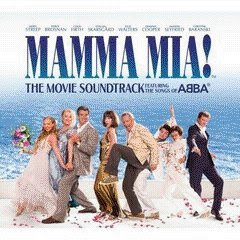
It appears Asda's loss fell on on single item -- the "Mama Mia" DVD. The DVD, which we are only now learning is a popular Christmas holiday item in the UK, sells for £2.66 less at Morrisons than at Asda. Therefore, were the DVD not included in the 33-item holiday trolley basket price comparison, Asda would have been the first-place winner over Morrisons.
Non-Abba and "Mama Mia" fans can take this to heart: If you want to purchase only 32 of the 33 items in the price comparison, then Asda is the place to go, as less the DVD consumers can save a few pence getting the other 32 items -- mostly food and drink -- at Asda.
The rumor is, upon reading the results of the holiday market basket survey, in which the only item standing in the way of a first place win for Asda was the Mama Mia DVD, the chain's (fictitious) director of holiday pricing was heard to shout -- "Mama Mia"...and he isn't even Italian. We wouldn't blame Asda if it cried "fowl."
Asda took first place in last year's holiday market basket survey conducted by The Grocer, followed by Morrisons, Tesco, Sainsbury's and Waitrose.
There was no word if the "Mama Mia" DVD was included in the 33-item holiday price comparison last year.
Recessionary food and grocery retailing
The UK food and grocery retailing industry is currently going through a super-competitive period due to the serious recession in the country.
Consumers are flocking to discounters like the German-owned small-format, hard-discount chains Aldi and Lidl. Asda and Morrisons which both operate on a moderate-discount model are holding their owne respectively, and even gaining some market share at the expense mostly of Sainsbury's, Tesco and Waitrose.
Tesco, which has lost some share this year, and is by far the leading supermarket chain in the UK, has recently been fighting back by offering more discounted items in its stores, as well as introducing a new lower-everyday-priced store brand line a few months ago.
Waitrose, the UK's leading upmarket specialty supermarket chain, is hurting probably the most since even upper income British consumers are feeling the pinch from the recession and financial crisis.
Marks & Spencer, which like Waitrose is an upscale food and grocery retailer, and wasn't included in the holiday market basket price survey, also is hurting since its main customer base, which is essentially the same as Waitrose's, also is seeking out discount supermarkets and spending less money on more expensive specialty and premium products at the upmarket chain.
Wednesday, February 20, 2008
Wal-Mart Heating-Up The Competition Against Tesco in the UK (As Well as At Home in the USA)

For the last month we've been writing about a major planned expansion by Wal-Mart, Inc.'s Asda retail division in the United Kingdom (UK), specifically targeted against UK market share leader Tesco. We also were one of the first publications to report as long as six months ago on Wal-Mart's small-format grocery store development (which we now know as Marketside), which will be targeted directly at Tesco's Fresh & Easy Neighborhood Market small-format grocery markets in the Western U.S.
Today, Wal-Mart confirmed and announced its Asda expansion plans in the UK. Asda chief executive Andy Bond said the chain plans to double its rate of expansion in the UK. The retailer will open 20 new (combined food and non-food) superstores a year, 10-12 Asda Living non-foods stores, remodel numerous existing superstores, and grow its Home Shopping business and Asda Direct internet business.
All told, Bond says Wal-Mart/Asda will create 9,000 new jobs in its first year by opening 10-12 new superstores and 10 new Asda Living stores in the UK. Additionally, Asda plans to create 1,500 more new jobs in the first year by expanding its online Asda Direct and Home Shopping businesses. Wal-Mart is investing about $780 million in the expansion.
This is the largest growth program for Asda, the UK's second largest retailer after number one Tesco, since Wal-Mart acquired it in 1999. Tesco has 31.4% of the UK grocery sales market, according to research firm TNS World Panel. Asda has a 16.9% share, followed by Sainsbury's with 16.4%, and fourth-place Morrissons', with 11.5% of the total UK grocery sales market share.
In conjunction with the expansion announcement, Bond also said Asda will immediatly begin a major price-reduction program featuring numerous food, grocery and non-food items in all of its existing 352 stores in the UK. (Tesco has 1,252 stores of various formats in the UK. Notice that Asda has less than a third of the number of stores as Tesco, but only 50% less market share.) Asda's immediate retail price-cutting program is designed to poach shoppers away from number one Tesco and other three of the UK's "big four" grocery retailers by capitalizing on consumers' currently pinched pocketbooks do to an economic slowdown in the UK.
A full-out offensive by Wal-Mart/Asda on Tesco in the UK
Although we've known this major expansion and retail price cutting move has been on the table at Wal-Mart for some time, we didn't know it would be of this size. The nearly $800 million initial investment by Wal-Mart/Asda represents a real, full-out offensive in the UK aimed straight at market share leader Tesco. It also shows Wal-Mart intends to be a major player in the United Kingdom. The creation of 10,500 new jobs in one year will be a welcome boost to that nation's economy.
This offensive move by Wal-Mart, the biggest retailer in the world, vis-a-vis Tesco in the UK, comes on the heels of a defensive Wal-Mart move against Tesco at home in the U.S.
Wal-Mart will open sometime this summer the first three or four of its new, small-format grocery stores named Marketside in the Phoenix, Arizona metropolitan region in the U.S. The 15,000 square foot or so "Small-Marts" are positioned to go head-to-head against Tesco's small-format Fresh & Easy grocery store chain. The British retailer currently has 50 of the small-format, combination discount basic grocery/semi-upscale fresh and specialty foods markets open in Southern California, Arizona and metropolitan Las Vegas, Nevada.
Tesco's entry into the USA with the Fresh & Easy chain--and its aggressive store development schedule which calls for the retailer to have 200 stores open and operating by the end of this year--took Wal-Mart a bit by surprise. However, the mega-retailer from Bentonville, Arkansas didn't take long to retaliate at home and across the pond in the UK, with its upcoming Marketside stores in the U.S., and now the aggressive Asda division expansion in the UK.
It's doubtful though that Tesco, the 3rd biggest retailer in the world, will merely sit still over Wal-Mart/Asda's expansion in the UK. Rather, we expect the chain to ratchet-up it own expansion plans, although they already are rather extensive.
For example, Tesco is moving into the "High Street-format" Department store-style business, with two-store, upscale stores wihich sell food, groceries, electronics and other higher-end goods in the UK. The retailer also is working on a "top secret" small-format, discount grocery store format which if developed would target Germsn discount grocery retailers Aldi and Lidl, which are both rapidly growing the number of stotres they have in the UK and increasing their respective grocery sales market shares.
We also suspect Tesco will match Asda's price discount scheme rather than risk loosing any market share to the retailer at home in the UK.
Depending on by how much, and on how many, grocery items Asda reduces prices on, the UK's other top chains--Sainsbury's and Morrisons'--will likely follow on the price reduction bandwagon as well. This will be good news to UK consumers, but could be bad news to all four of the retail chains' since the UK, like the U.S., is currently going through a strong patch of food cost inflation.
Further, putting Tesco aside for a moment, since Asda and Sainsbury's are so close in market share--Asda at 16.9%, Sainsbury's at 16.4%--we see the Asda move as having a major effect on number three Sainsbury's. To protect its position, the grocer will need to not only match Asda's price reductions, but look at its own current new store development plan in a new light. That new light is the one now being reflected by the Asda growth initiative confirmed today by CEO Andy Bond.
But the real action--and frankly the fun--is focusing on the Wal-Mart/Tesco battle. That's largely because its an across the Atlantic Ocean battle between two giants, both of which are the res[ective food and grocery sales market share leaders at home, as well as attempting to infiltrate each others' business in their respective home-base nations: the USA and the UK. ( Of course, the historic British/U.S. rivalry makes it doubly-interesting as well.)
Asda Likely to Benefit from 'Competion Commission' Report
Despite Asda's new, aggressive growth plan, we don't see the chain catching up with Tesco, which has a healthy UK growth plan of its own in place, anytime soon, considering the British retailer's near-double market share lead over Asda.
However, Wal-Mart/Asda's announcement of its growth program at this time is no mere accident. Some time ago the British government's 'Competition Commission," an economic regulatory body which exists to ensure retail grocery sales competition in the UK, launched an investigation into potentional monopoly power in the supermarket sector. Leading retailer Tesco has been at the center of this investigation by the commission.
The regulatory commission is soon due to present a report on its findings. Many UK retail analysts tell us Asda stands to be the prime beneficiary of the commission's findings in the report.
These analysts say its likley the "Competition Commission" will introduce a new "competition test" into the UK grocery retailing industry. This test will prevent any one supermarket chain from building up a dominant position (excessive market share) in a city or town. The Commission proposed the outlines of this test last Friday in fact. The group's final recommendations are do in May, and it's likely a version of such a test will be a part of that recommendation, our UK industry sources tell us.
Tesco already holds this "monopoly" position in numerous cities and towns in the UK. In fact, there's even a name for it: "Tesco Towns." On the other hand, with only 352 stores, compared to Tesco's 1,252 stores, Asda has much room to grow its new stores throughout the nation. Additionally, Asda doesn't have a similar dominant or "monopolistic" presence in any UK cities or towns at present.
The UK supermarket analysts' tell us if this "competition test" becomes law, it will open the door for Asda to grow nearly as much as it desires. At the same time, it will but a damper on Tesco's new store growth in many instances because the retailer will be limited in its opening of new stores in numerous UK cities and towns where its deamed by the commission to have "monopolistic" status.
The Wal-Mart/Tesco small-format store battle in the U.S.
Meanwhile, in the U.S. which is Wal-Mart country through-and-through, its too early to really speculate on the Wal-Mart-Marketside/Tesco Fresh & Easy Neighborhood Market small-format grocery store battle which will begin later this year.Wal-Mart won't open its first three or four Marketside grocery markets in Arizona until mid-to-late summer of this year.
Currently, Tesco's Fresh & Easy is on a new-store opening blitz. This month the British retailer is opening one new Fresh & Easy store every other day in Southern California, Arizona and Nevada. Today it opened its 50th grocery store in the Southern California desert region city of Palm Desert. At least 10 more new stores are scheduled to open in the next two weeks. The first stores' opened just a little over three months ago.
Based on our extensive store-level observations, interviews with shoppers, store-level workers, and Fresh & Easy suppliers, our analysis is that Fresh & Easy store performance to date is a mixed bag. Some of the stores, such as the one located in the City of Los Angeles and another unit in Orange County, are doing a brisk business. However, the majority of the stores are seeing fairly low overall store counts to date. Additionally, although it's still very early, most of the stores' haven't met Tesco's goal of being primary grocery shopping markets for neighborhood residents. Rather, our analysis shows most shoppers are using the small-format stores as secondary and tertiary shopping venues.
As we said, its still early though. The longest-open Fresh & Easy grocery market, which is located in Hemet, California, has only been open for a little over four months. Nearly half of the 50 stores have been open for just a little over one month.
When Wal-Mart opens its first Marketside grocery stores this summer however, Fresh & Easy will face a direct target in the form of the world's largest corportation and retailer, and the number one food and grocery market share retailer in the U.S. At least three of the first Arizona Marketside stores that will open this summer also are within a couple miles of a similar Tesco Fresh & Easy store. This is no accident, despite Wal-Mart's refusual to admit they are specifically targeting Fresh & Easy in the Arizona market.
When these first Marketside grocery stores open within a mile or two from the Fresh & Easy grocery markets, the battle will become joined. We will be able to see what the world's number one and number three retailers can do mano-a-mano with grocery stores of a similar size (about 13,000 square feet for Fresh & Easy, 15,000 square feet for Marketside) and very similar formats: basic groceries, fresh produce and meats, prepared, ready-to-eat and ready-to-heat foods, and specialty grocery items.
Further, Wal-Mart isn't confirming it, but our sources have been telling us for a couple of months that the retailer has been scouting (and in some cases has found) retail store locations in Southern California, Northern California and Nevada for its Marketside "Small-Marts." In addition to currently having stores in Southern California, Arizona and Nevada, Tesco's Fresh & Easy Neighborhood Market has signed leases for an initial 18 store sites in Northern California, with more to come. The retailer plans to open its first storess in the San Francisco Bay Area in late 2008 or early 2009.
The cross-Atlantic food retailing battle between Wal-Mart and Tesco is heating up. However, there's much more fire to come, both in the U.S. with the upcoming small-format grocery store battle and in the UK, with Asda's major expansion program and the release of the government's "Competition Commission" report in May. Stay tuned. We will be.
Wednesday, December 31, 2008
Retail Memo: Marc Bolland, the CEO of UK Supermarket Chain Morrisons Wins Sunday Times' 2008 Business Person of the Year'

Marc Bolland (pictured above), the chief executive of Britain's Morrisons supermarket chain, which is the UK's fourth-largest food and grocery retailing chain after number one Tesco, Wal-Mart, Inc.-owned Asda (number two), and number three Sainsbury's, is unique among the nation's top grocery chain chiefs for a number of reasons.
First, he's a Dutchman rather than a native Brit, something the chief executives of the other three chains are. Tesco's Sir Terry Leahy, Asda's Andy Bond and Sainsbury's Justin King all are proud natives of Britain. It's a real rarity for one of the CEO's of Britain's major supermarket chains (Marks & Spencer (Sir Richard Rose) and Waitrose (Mark Price) also have British CEO's, for example) to be from without the country.
The UK also honors its supermarket industry leaders. You might have noticed the title Sir in front of Tesco CEO Terry Leahy's name. Yes, given to him by the Queen for his leadership at Tesco. Then there's former Morrisons CEO and chairman Sir Ken Morrison, who just retired last year. He was knighted while leading Morrisons. Ditto Sir Richard Rose, the CEO and chairman of Marks & Spencer. Also knighted for his leadership of that venerable British retail chain. There's even a Lord in the bunch, billionaire Lord Sainsbury, who chairs Sainsbury's board but isn't involved in the day-to-day operations of the supermarket chain. Among other activities he is giving millions to Britain's fledgling space program and has a passion for politics, which he backs up with millions of dollars worth of donations to candidates he likes.
Morrison's chief executive Bolland also is unique among the CEO's of Britain's top four supermarket chains, and unique in this quality in general, in that before taking over the leadership of the supermarket chain that was founded as a market stall in 1899 by Sir Ken Morrison's father, Marc Bolland had zero previous retail experience.
Bolland came to Morrisons -- after having a number of meetings with Sir Ken Morrison who retired as chairman of the company last spring after 37 years as chief executive, in which he built the primarily family-owned grocery chain from not much more that one market stall into the UK's fourth-largest supermarket chain -- from Dutch beer giant Heineken, where he rose from starting out as a trainee fresh out of graduate school to the company's number two man, including having a seat on the beer bottler and marketer's board of directors.
The former beer company senior executive joined Morrisons shortly after Sir Ken executed his final coup, the acquisition of Britain's Safeway supermarket chain. Upon his retirement last spring, the last Morrison, Sir Ken, to perhaps ever run the family-founded supermarket chain, turned over the integration of British Safeway into Morrisons to Marc Bolland, who prior to that hadn't worked in, let alone run, a supermarket chain, particularly one that has 130,000 employees, as Morrisons' does as of the end of 2008.
Bolland rose to the challenge. Since his taking over Morrisons, the supermarket chain's customer count is today at 10 million shoppers, up by 700,000 from a year ago.
Additionally, last month Morrisons reported its strongest quarterly sales in 5 years -- an increase of a whopping 5% -- despite the severe economic recession in the UK. As a comparison, Tesco reported only a 2% sales increase for the same period.
Further, Morrisons has gained market share on number one Tesco and on number three Sainsbury's in the last year, a direct result of merchandising and operations changes Bolland has made at the chain.
The last thing making Bolland unique among the CEO's of Britain's top four supermarket chains is that this year the Sunday Times of London has awarded Morrisons' chief executive Marc Bolland its "Business Person of the Year" award for 2008.
The award is not just for the grocery sector, or the retail sector, but it's across the board for the entire UK business sector.
The chief grocer at Morrisons did good, as the Sunday Times' annual award is a coveted honor for many business people in the UK.
Sir Ken is likely proud of his choice, particularly because the only slight reservation he had about choosing Marc Bolland to lead Morrisons after his retirement was that he had no previous grocery retailing experience.
However, that didn't stop Ken Morrison from choosing March Bolland as the supermarket chain's CEO -- and it certainly hasn't stopped Bolland from taking Morrisons to a new level.
As part of its naming Marc Bolland as its UK "Business Person Of The Year" for 2008, the Sunday Times has published a detailed profile piece about him and his tenure thus far as chief executive of the Morrisons supermarket chain. The piece is written by Kate Walsh. It's a good and highly informative read, as well as a nice overview of the current state of food and grocery retailing in the UK.
You can read the profile from the Sunday Times of London, "Morrisons saviour Marc Bolland uses his loaf to boost sales: Marc Bolland, chief executive of the supermarket chain, has won our Business Person Of The Year award for reviving the ailing group," here.
We congratulate Marc Bolland on winning the honor, as well as on his tenure thus far at the helm of the supermarket chain that Sir Ken built -- Morrisons.
Saturday, July 19, 2008
Small-Format Food Retailing Special Report: Global Small-Format Food and Grocery Retailing News and Notes

The International Small-Format Food and Grocery Retailing Revolution Marches On
United Kingdom
On July 16, Britain's Co-operative Group and the Somerfield supermarket chain jointly announced they've entered into an agreement for the Co-operative Group to acquire the 900 store Somerfield chain for ~1.6 billion-p (British Pounds).
The Co-operative Group operates small-format food and grocery stores throughout the United Kingdom (UK), along with banks, insurance agencies, travel agencies and related businesses. As the name implies, the Co-operative Group is a cooperative-owned enterprise. In fact it's the largest multi-retail format Co-op in the world in terms of total annual sales in its food stores and other businesses.
The acquisition of Somerfield, which operates fairly small-format but conventional rather than convenience-oriented supermarkets, will transform the Co-operative group into the UK's fifth-largest food and grocery retailing chain, just behind number four Morrisons. Tesco is the nation's leading retailer, followed by Wal-Mart-owned Asda and Sainsbury's.
With the Somerfield acquisition, the small-format Co-op chain will have annual sales of about ~8 billion-P (British Pounds), with an 8% share of the nation's total food and grocery market. Number one Tesco has about a 31% share. Number two Asda has an approximately 16% markets share, followed by Sainsbury's with about 14.5%, and Morrisons with about 10%. The remaining market share is fought over by Marks & Spencer, Waitrose and a handful of other key players in the UK.
Two small-format discount grocers, German-based Aldi and Lidl, also are becoming major players in UK food and grocery retailing with their no frills, limited assortment little discount dynamo grocery stores.
While the Aldi and Lidl small-format stores are price-focused, as both Germany-based international retailers stores are throughout the world, small-format food retailing is a format explosion in terms of styles and offerings in the UK.
For example, Tesco's Tesco Express small-format stores (currently about 800 in the UK) are fairly middle-market food and grocery stores with an emphasis on convenience.
Sainsbury's Sainsbury's Local small-format stores are similar, but a bit more upscale and specialty-oriented than the Tesco Express stores.
At the higher-end, Marks & Spencer's small-format Simply Food stores are much higher-end and feature the retailer's popular specialty and gourmet store brand food and grocery items.
Waitrose is joining the higher-end small-format segment in two new ways: with its new 3,000 -to- 5,000 square foot Market Town food stores positioned for smaller cities and towns in the UK, and with its just recently announced new convenience food and grocery store operation, which will feature approximately 15,000 square foot food and grocery stores positioned in cities and suburbs.
The Co-operative Group's small-format stores offer basic groceries and lots of natural foods, including organic and locally-produced foods. The stores also are positioned as environmentally sustainable, selling lots of Fair Trade products, focusing on animal welfare issues and practicing green retailing as a way of doing business.
Eastern Europe: Romania
France's Carrefour, the second largest retail chain in the world after number one Wal-Mart, Inc., is growing its small-format Carrefour Express food and grocery store count in Eastern Europe, with a particular focus at present on Romania.
Carrefour will open two Carrefour Express grocery stores in the Romanian cities of Lugoj and Bistrita next week.
The launch of the two new Carrefour Express small-format grocery stores is part of the French retailer's plan to remodel the Artima supermarket chain, which the French retailer took over in October 2007. Artima's 21 stores acquired by Carrefour are being converted to the Carrefour Express format, which can range from stores as small as 3,000 square feet in urban regions to about 15,000 square feet. Thus far nine of the 21 Artima stores have been converted to Carrefour Express stores in Romania.
The two Carrefour Express grocery stores will reopen on July 23 and July 24 respectively, according to Carrefour, which means crossroads in French.
Carrefour paid 55 million euros for the 21-store Artima supermarket chain.
The France-based global retailer now operates two formats in Romania: large hypermarkets and the small-format Carrefour Express grocery stores. Carrefour currently operates 15 hypermarkets in Romania, along with the nine Carrefour Express stores, with 13 remaining Artima supermarkets set to be converted to Carrefour Express small-format grocery stores.
India
The India-based blog Twenty22--India On the Move, which stands for the year 2022 when independent India will be 75 years old, has a well-researched and written piece about food, grocery and other format retailing in the nation with world's second-fastest growing economy, after China.
A key focus of the piece is about India's Reliance, which is a huge, multi-format retailer. Among Reliance's fast-growing food, grocery, soft goods and hard goods retail formats, is its about 4,000 -to- 6,000 Reliance Fresh small-format food and grocery store chain.
The piece also talks about India's Tata Group, which is another multi-format retailer, including operating a small-format grocery chain, along with other companies in India's fast-growing retail sector. Click here to read the piece from Twenty-22.
United States
An Iowa mayor opens a small-format specialty food store on main street
The small-format food retailing revolution in America seems to be becoming so popular that it's even drawing politicians into the business. The mayor of the Midwestern USA city of McGregor, Iowa, Roger Knott, and his wife Lora, have opened a small-format specialty-focused grocery store on main street in the Iowa city he runs as mayor.
The new independent grocery store is named McGregor's Top Shelf. At about 5,000 square feet it features specialty, natural and gourmet food and grocery items, an upscale deli, specialty wines, spirits and craft beers, fresh produce and fresh, prepared foods, and high-quality fresh meats from a nearby purveyor, Edgewood Meat Locker, in Edgewood, Iowa.
According to his honor the mayor and the grocer, the main street building is brand new but is designed to look like an old fashion general store. Above the food store, the independent grocer/mayor and his wife Lora, build a small Bread & Breakfast Inn, which features a two-bedroom apartment, and balcony deck which is available for nightly or weekly rental. Bed & Breakfast tenants get fresh gourmet coffee and pastries from the small-format McGregor's Top Shelf grocery store as part of their rental of the two bedroom apartment.
McGregor's Top Shelf opening on the city's main street also is part of a growing trend in the U.S. in which grocers are opening smaller format stores in city neighborhoods and in downtown districts. This includes urban stores focusing on both basic groceries as well as on specialty foods and groceries.
A small-format gourmet rose for East Harlem, NYC
Speaking of urban America and small-format specialty foods-oriented stores, an Ottomanelli Brothers New York Grill will open soon at 1325 Fifth Ave. at 111th Street in New York City's East Harlem neighborhood, according to the owners of the family-owned, 100-year-old New York chain, best known for its prime cuts of meat, reports the New York Sun newspaper.
Known for its freshly ground meat, grass-fed beef, poultry, and game, Ottomanelli's operates five butcher shops and restaurants in the city. Nicolo Ottomanelli, who with his brother Joseph is chairman of the company, said his grandfather founded the business in 1900 with a pushcart on Delancey Street. Another Ottomanelli's store, on Bleecker Street, is owned by cousins, he said.
The new, 28,153-square-foot Ottomanelli's, situated on a tree-lined block not far from the Duke Ellington memorial, will feature a sidewalk café facing Central Park, the New York Sun reported last week.
East Harlem is going through a gentrification process in which the historically low-income neighborhood is becoming home to higher-income professionals who are flocking to the new residential developments being constructed in the neighborhood. In turn, these changing demographics are bringing in lots of higher-end retailers of all formats.
Will Tesco's Fresh & Easy feel the no-booze sales blues?
As we've written about before, Tesco's small-format Fresh & Easy Neighborhood Market grocery chain, which currently has 63 combination basic grocery and fresh foods markets in Southern California, Nevada and Arizona, has self-service checkout in all of its stores. Shoppers scan their own grocery purchases and the checkout lanes, then bag the groceries themselves. The stores only except debit and credit cards, and cash. But not paper personal checks. Nor do the small-format Fresh & Easy stores cash payroll or government checks like nearly every American supermarket does.
The stores also offer what the retailer calls "assisted checkout," which means that if a shopper wants help checking his or her order they can request help from a store clerk who will either assist the customer or do the checkout for them. However, the shopper has to ask. In other words, the default checkout system is self-service.
Tesco's Fresh & Easy grocery markets also sell wines and beers in their stores, including a selection of their own specially-blended wine varieties, similar to what Trader Joe's grocery stores offer.
If a California State Assemblyman from Southern California has his way however, stores like Fresh & Easy which offer only self-checkout lanes rather than a mix of full-service and self- checkout like other chains in California do, will not be able to sell alcoholic beverages in the stores unless they dedicate at least one checkout lane in each store to full-service, according to a report in the blog Fresh & Easy Buzz, which focuses on covering and writing about Tesco's Fresh & Easy Neighborhood Market USA. Customers buying alcoholic beverages in the store would have to use that lane.
Tesco's Fresh & Easy is the only food and grocery chain currently in California that has self-service-only checkout lanes. Obviously, should this proposed legislation pass, at best it would require Tesco to add a full-service checkout lane in each of its stores. The worse case scenario if it chose to not do so, would be that the stores could no longer sell wine and beer. We think they would choose the former rather than the latter, as the specially-blended wines are a significant part of the retailer's merchandising strategy.
If the legislative bill, AB 523, proposed by California Democratic Assemblyman Hector De La Torre advances in the Assembly it will be interesting to see if the California Grocers Association (CGA) takes a position for or against it.
The CGA is the state trade association for California's food and grocery retailing industry and counts among its members California's leading supermarket chains like Safeway Stores, Inc., Kroger Co.'s Ralphs, SuperValu's Albertsons, Save Mart, Raley's and most others, along with nearly every major independent grocer in the Golden State.
None of these member chains or independent offers self-service only checkout lanes in its stores. In fact, only a handful even have a mix of self-service and full-service checkout lanes in their stores. Those few that do, like some of the Ralphs new "Fresh" format supermarkets and Safeway's new small-format "the market by Vons" in Long Beach, California, have just a few self-service checkout lanes, compared to a higher number of full-service lanes per-store. Read the full story from Fresh & Easy Buzz here.
Hardball on and off the court
Fresh & Easy Buzz also has an interesting feature story about former NBA basketball all-star Kevin Johnson, who's running for Mayor of Sacramento in a highly contested runoff election with the city's current mayor this November.
Johnson, who is a native of Sacramento, moved back to the city after retiring from the NBA. He then launched a career as a developer, along with founding and running a successful non-profit community development organization called HOPE.
As we reported in Natural~Specialty Foods Memo earlier this year, Johnson the developer is bringing a Tesco Fresh & Easy Neighborhood Market to Sacramento's historically low-income Oak Park neighborhood, the very same Sacramento neighborhood he was raised in.
Fresh & Easy Buzz reports that Johnson, the driving force behind bringing the Fresh & Easy grocery store to the Oak Park neighborhood, which is underserved by supermarkets, is being attacked on multiple fronts in an aggressive campaign by a local labor union, which supports incumbant Sacramento mayor Healther Fargo, who Kevin Johnson is challenging. Tesco appears to be somewhat in the middle of the current mayors' race, and the attack campaign, by virtue of the fact its Oak Park neighborhood store is going on land owned by Johnson.
Tesco's Fresh & Easy also has union problems of its own, as the United Food & Commercial Workers union is waging an aggressive campaign against the chain in order to get Tesco executives to sit down with union leaders and discuss the potential unionization of Fresh & Easy store-level employees. Read the Fresh & Easy Buzz feature story: "Fresh Feature: A Former NBA All-Star Who Wants to Become Mayor, A Trade Union, And A Future Tesco Fresh & Easy Grocery Store In Sacramento, California ."
Small-format innovation: Dillions and Kwik Shop to create combination small-format grocery and convenience store in Greensburg, Kansas
From the Dodge City, Kansas Daily Globe: July 18, 2008
By Cherise Forno
Dodge City Daily Globe
Jul 18, 2008
Greensburg leaders, government officials and Kwik Shop and Dillons’ representatives gathered on Thursday to break ground for the new grocery store in Greensburg.
The new Dillons will be built next to the existing Kwik Shop to create a combination convenience and grocery store. This expansion will increase the Kwik Shop to 8,000 square feet, which is three times its current size.
"It is encouraging to see progress and growth as Greensburg rebuilds, and we are humbled to be a part of the journey," said Dillons President John Bays. "Greensburg and Kiowa County residents have supported Dillons and Kwik Shop for over 70 years, and we are pleased to continue this relationship."
Lt. Gov. Mark Parkinson said he was inspired by the city's progress over the last year.
"What I see here is amazing," he said.
The Kwik Shop, located at 203 W. Kansas Ave., has been providing Greensburg residents with fresh produce, meat, dairy products, fuel and household items since a Level F5 tornado devastated the city in May 2007.
The addition of a Dillon’s grocery store will double the selection of fresh produce available and provide more selections for all grocery items.
The store will also feature a deli department with an assortment of home-style hot foods. The Kwik Shop will continue to meet the city's daily needs for items such as fuel, fresh-brewed coffee, newspapers and Kansas lottery tickets.
This grocery and convenience store, expected to be completed in early 2009, will be the first of its kind.
The Dillons store will be built in accordance with the city's dedication to the environment and sustainability, said Jeff Parker, president of Kwik Shop.
Some of the "green" features of the building include a white-reflective Thermoplastic-Polyoflefin roof with extra insulation; skylight coverage of the roof to provide natural daytime lighting; low-water demand landscaping; and highly efficient systems for cooling, heating and refrigeration equipment.
"This is an opportunity for the world to see Dillons through Greensburg's eyes," Mayor Bob Dixson said.
Dillons' decision to build the store in an eco-friendly manner is one of many ways in which the city is fulfilling its commitment to improving the environment.
"We want to educate people about going green," said Levi Smith, a Kwik Shop employee and member of the Green Club. "It's not a radical change. We want to teach people how easy it is."
Smith and other Greensburg High School students established the Green Club to make the process of "going green" easier for the community.
Last holiday season, the students went through the neighborhood collecting Christmas trees to recycle. More than 50 trees were turned into mulch for Greensburg's trees and plants instead of being dumped in the trash.
The club also participates in a lightbulb program, in which club members provide residents with energy-efficient compact fluorescent lightbulbs in exchange for their old bulbs.
End Piece: Trader Joe's says 'no' to Palm Springs despite petition drive
It appears that 6,000 signatures on a petition to bring a Trader Joe's small-format specialty grocery store to the Southern California desert region city of Palm Springs just isn't enough for the Southern California-based chain, which is owned by members of the same German family that own no frills, small-format discount grocery chain Aldi International.
This despite the fact after all that Palm Springs was good enough for the likes of Frank Sinatra, Dean Martin and Sammy Davis Jr., collectively known in the 1950's and 1960's as the "Rat Pack," along with such former residents as the late eccentric billionaire Howard Hughes and the girlfriend to two Kennedy's, President John F. Kennedy and his brother Robert, Marilyn Monroe.
For well over a year members of a community coalition of Palm Springs residents have been meeting and organizing in an atempt to lure a Trader Joe'stores to their city, which is a popular upscale resort mecca, as well as having a considerably fast-growing year-round resident population.
ButTrader Joe's which has stores in three nearby cities--next door Palm Desert, Cathedral City and La Quinta--has just told the good citizens of Palm Springs it won't be bringing one of its quirky small-format grocery stores to the city anytime soon; although it appreciated the petition drive which resulted in 6,000 signatures.
Meanwhile, Tesco's Fresh & Easy, which also has stores in the three cities mentioned above, will soon open one of its small-format combination basic grocery and fresh foods stores in Palam Springs. The Fresh & Easy and Trader Joe's stores have many similarities, although Fresh & Easy sells an assortment of basic grocery products while Trader Joe's focuses on specialty and natural food and groceries items.
If we were running Tesco Fresh & Easy's marketing department, the first thing we would do is get a copy of that petition to bring a Trader Joe's to the city, and mail each of the 6,000 names and addresses on the petition an invitation to the Palm Springs' Fresh & Easy grocery store grand opening, along with a couple of the retailer's $5 -off (on any order of $20 or more) coupons.
In other words, make TJ's loss Fresh & Easy's gain, as well as making the 6,000 residents who wanted a Trader Joe's feel welcome at the new Fresh & Easy store, perhaps converting them to Fresh & Easy shoppers. You can read a report here from the local Desert Sun newspaper.
Subscribe to:
Posts (Atom)

 Posts

